May 21, 2026
Embarking on a journey to refresh the surfaces of your living space is a significant undertaking that promises to redefine the atmosphere of your entire residence. The floors serve as the canvas upon which the rest of your interior design is painted, acting as the foundation for both style and daily function. However, the path to a flawless finish is often riddled with potential pitfalls that can turn a dream project into a logistical nightmare.
While the excitement of choosing new textures and colors is undeniable, failing to account for the technical requirements of the installation can lead to costly errors and long-term frustration. Understanding these common oversights is the first step in ensuring that your investment stands the test of time.
Many homeowners underestimate the complexity involved in transitioning from an old surface to a new one. This process is not merely about aesthetics; it involves structural integrity, moisture management, and precise geometry. When these elements are ignored, even the most expensive materials can fail within a few months of use. By educating yourself on the common mistakes that plague the industry, you can navigate your project with confidence and clarity. Whether you are aiming for a modern minimalist look or a classic rustic charm, the success of your project depends on a disciplined approach to every stage of the process.
Neglect The Subfloor Preparation Phase
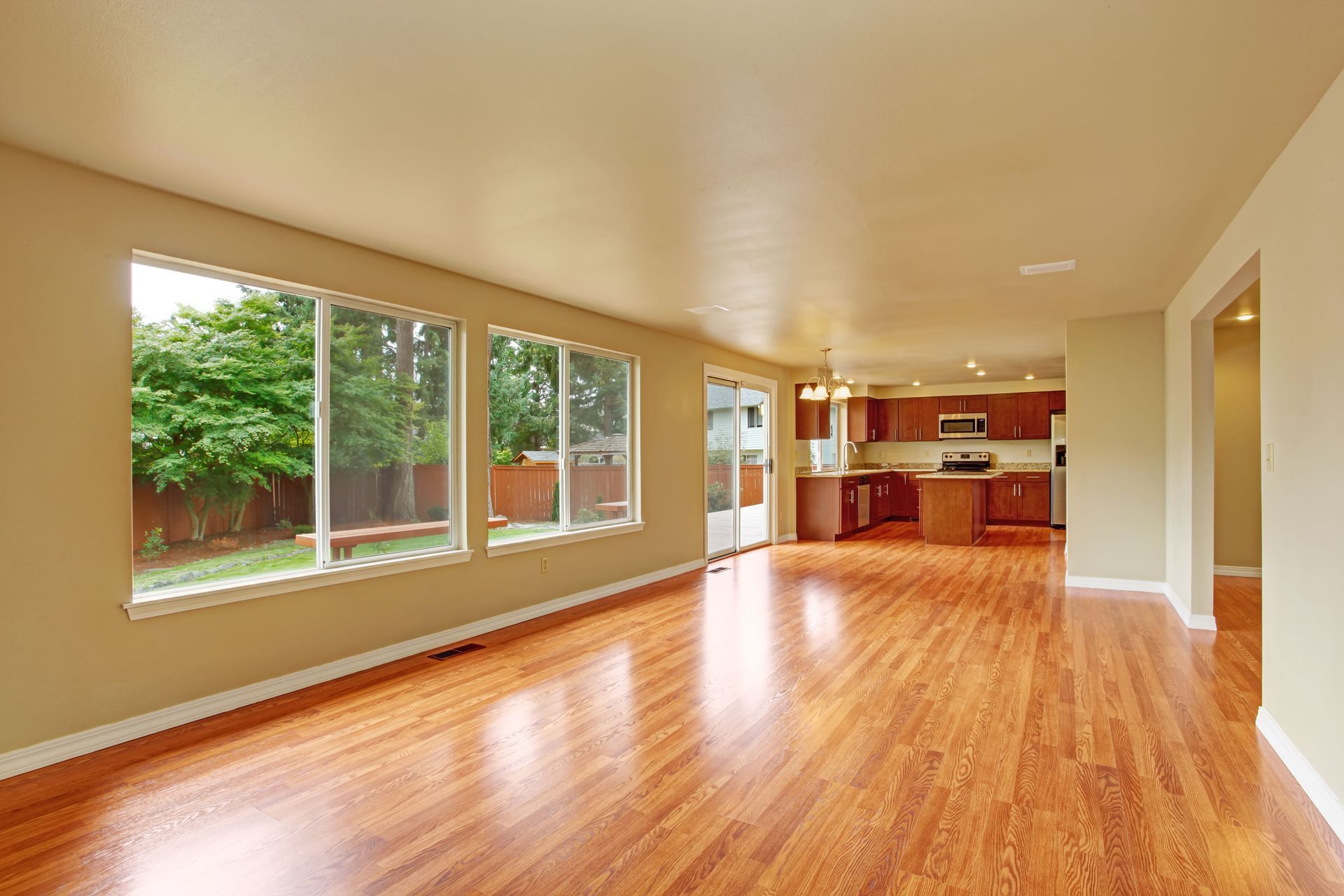
One of the most frequent errors in any project involves rushing past the preparation of the underlying surface. Many individuals believe that a new layer of wood or tile will simply hide any imperfections existing in the floor below. In reality, the opposite is true. Any dip, bump, or ridge in the subfloor will eventually telegraph through to the surface material, leading to uneven wear, annoying squeaks, or even structural cracking. A pristine foundation is the absolute requirement for a durable result, yet it is the stage most often cut short to save time or money.
Before any new material is laid down, the base must be cleaned, leveled, and dried. This often requires grinding down high spots in concrete or replacing soft patches of plywood. Professional home renovation contractors prioritize this phase because they know that the longevity of their work depends entirely on what remains hidden beneath the finish. Skipping the leveling process can result in "hollow" sounds when walking across the room or gaps that appear between planks. Taking the time to ensure a perfectly flat plane is the single best way to protect the financial investment you are making in your home.
Ignore Local Moisture And Humidity Levels
Natural materials like hardwood and bamboo are highly sensitive to the environment around them. They breathe, expand, and contract based on the amount of moisture present in the air and the subfloor. A common mistake is failing to test the moisture content of the home before installation begins. If the wood is too dry when it is installed, it may swell and buckle during a humid summer. Conversely, if it is too wet, it will shrink as it dries, leaving unsightly gaps between the boards. This balance is critical for the success of modern flooring projects.
The industry is currently seeing a massive shift toward updating older homes with these natural products. According to Grand View Research, the replacement of existing floors is expected to account for 53.7% of the total wood flooring market revenue. This high volume of replacement work means that many people are introducing new materials into older environments that may have inconsistent climate control. To avoid disaster, the materials must be allowed to acclimate to the specific humidity of the room for several days. Failing to wait for this equilibrium is a recipe for warped boards and a finish that feels unstable underfoot.
Choose Materials Based Only On Appearance
It is easy to fall in love with a specific shade of white oak or a delicate marble tile in a showroom. However, selecting a material without considering the lifestyle of the household is a significant error. For example, installing a soft wood in a high-traffic entryway where pets and children frequently play will result in scratches and dents almost immediately. Similarly, placing a porous stone in a kitchen where spills are frequent can lead to permanent staining. The functionality of the room must always dictate the choice of the surface.
When planning a project, it is essential to consult with home renovation contractors about the durability ratings of various products. Some materials are specifically engineered to resist water, while others are treated to withstand heavy impact. Balancing your aesthetic desires with the practical realities of your daily routine ensures that the floor remains beautiful for years rather than just weeks. A floor that looks stunning but cannot handle the wear and tear of your family is a poor investment that will eventually require an expensive replacement.
Underestimate The Required Material Quantities
Nothing stalls a project faster than running out of planks or tiles when the job is nearly finished. A common mistake is ordering the exact square footage of the room without accounting for waste, cuts, and future repairs. Every room has unique corners, doorways, and alcoves that require custom trimming. Furthermore, natural materials often have variations in color and grain, meaning some pieces may be undesirable for a prominent area of the floor. This necessitates a buffer in the total order to ensure a consistent look.
Fail To Hire Qualified Professional Help
In the era of internet tutorials, many feel emboldened to attempt a major floor installation as a solo weekend project. While minor repairs are manageable for a hobbyist, a full-scale replacement is a technical feat that requires specialized tools and years of experience. Mistakes made during the layout phase—such as failing to square the room or leaving improper expansion gaps at the walls—can compromise the entire project. Attempting to save money on labor often results in spending much more to have a professional come in and fix the errors later.
Partnering with established home renovation contractors provides access to a level of precision that is difficult to replicate. Professionals know how to handle complex transitions between different types of flooring and how to work around curved walls or intricate cabinetry. They also carry insurance that protects the homeowner in the event of an accident. When you hire experts, you are not just paying for the installation; you are paying for the peace of mind that the job is done correctly the first time. This collaborative approach is the hallmark of every successful and stress-free transformation.
The process of renewing your home is a journey that should result in a sense of pride and comfort. By avoiding the common pitfalls of poor preparation, material mismatch, and lack of professional guidance, you ensure that your new floors are a source of joy for many years. Every choice, from the leveling of the subfloor to the selection of the final trim, contributes to the overall success of the renovation. When you approach the task with patience and respect for the technical requirements of the materials, the result is a stunning transformation that enhances both the value and the livability of your home.
At Linan Quality Construction, we take pride in our meticulous attention to detail and are dedicated to ensuring that your project is executed with the highest standards of craftsmanship from the ground up.